
CPG product sampling: why a $0.99 intro offer retains subscribers nearly 4× better than a free one
Published August 2026
Published Aug 2026
9 min read
AI Summary
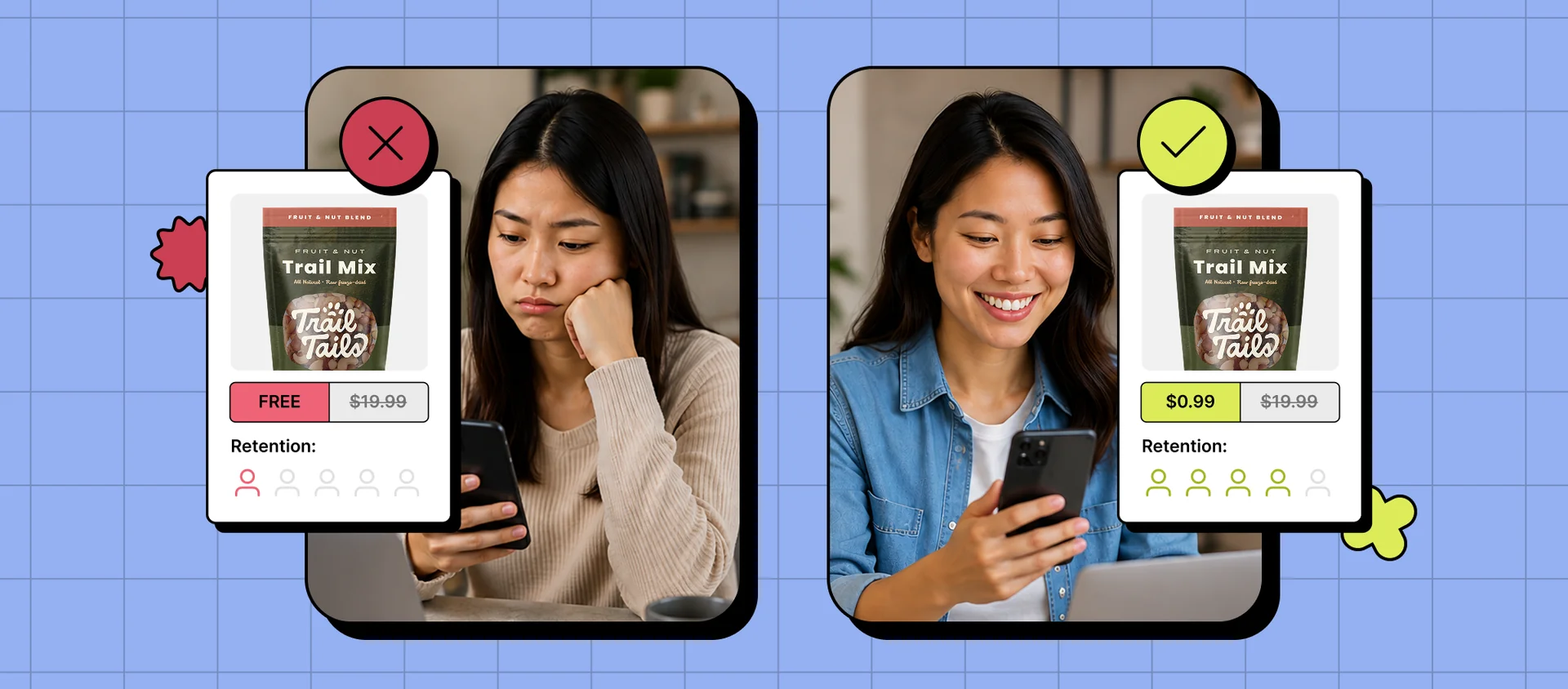
Product sampling data: $0 first orders reach a sixth order 8.7% of the time, 99-cent ones 32.8%. Based on data from 20,000+ subscription brands.
A new women’s supplement brand is acquiring subscribers for a dollar apiece, through the mail.
Plainspeak charges a buck for a physical sample, ships it (covering shipping, of course), and calls it customer acquisition.
And the brand says the math… maths.
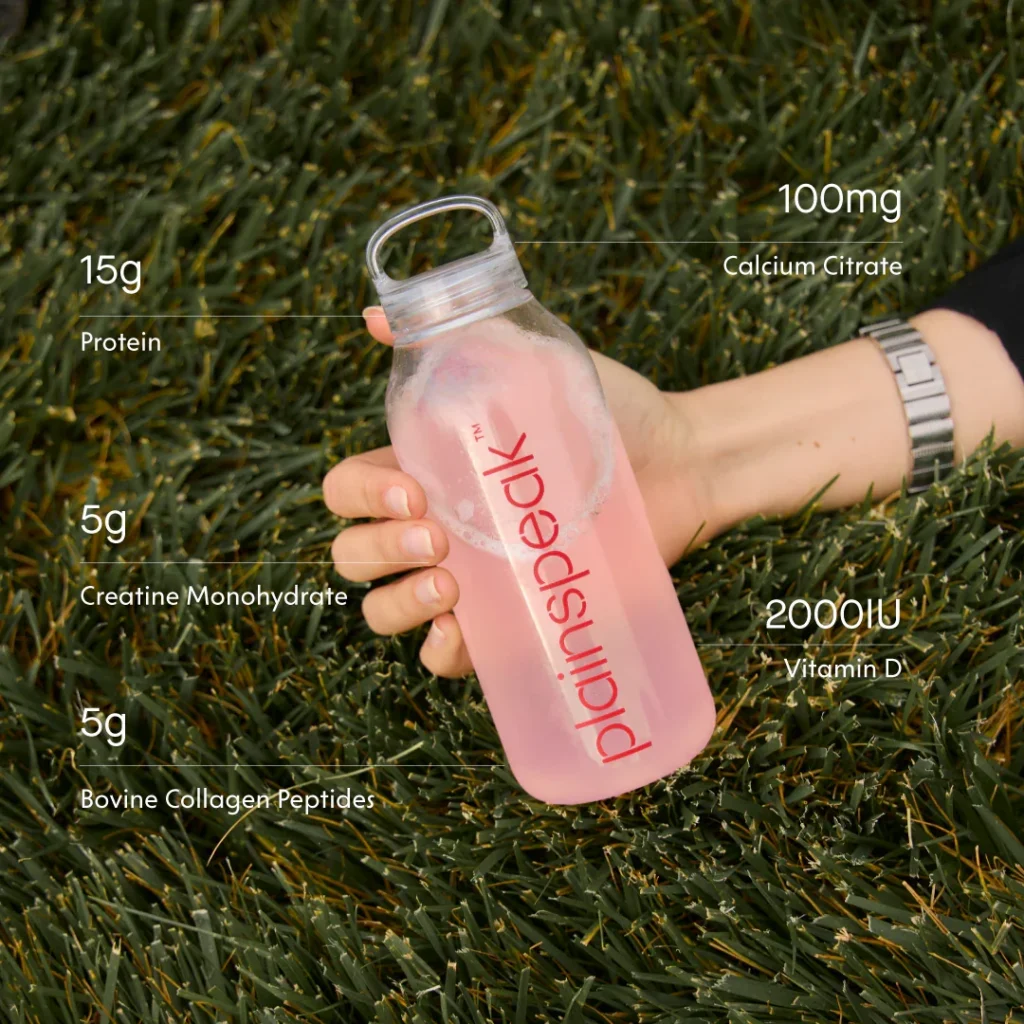
In fact, Plainspeak’s founder told Modern Retail that the per-sample math is beating the brand’s paid-media CAC.
Samples as an acquisition channel aren’t a new idea. But with acquisition costs rising and competition fierce, it’s a tactic more CPG brands should look at.
In the Plainspeak example, they used direct mail to send samples for free (the brand covered the $0.99 per unit cost of shipping a light-weight mailer themselves in traditional mailboxes). And most product sampling programs do exactly that; the logic of an intro offer is to remove every ounce of hesitation. Nothing screams “buy me” quite like “for nothing”.
But could the friction of a nominal fee actually be worth it in the long run?
The short answer is yes. Charging almost nothing beats charging nothing.
Across 132.9M Recharge subscriptions started between January 2023 and December 2024, 19.3% reached a sixth order. That’s the blended rate across every brand on the platform, and it is the number to beat.
Subscriptions whose first order was priced at $0 reached a sixth order only 8.7% of the time, less than half the blended rate. Subscriptions whose first order was priced between one cent and 99 cents reached a sixth order 32.8% of the time, a 70% improvement.
The payment itself, not the price, is the filter. If you’re using a free first order to cut friction, try pricing it at a buck and see what happens.
A discount and a sample are two different offers
A first-order discount and a first-order sample are two different offers.
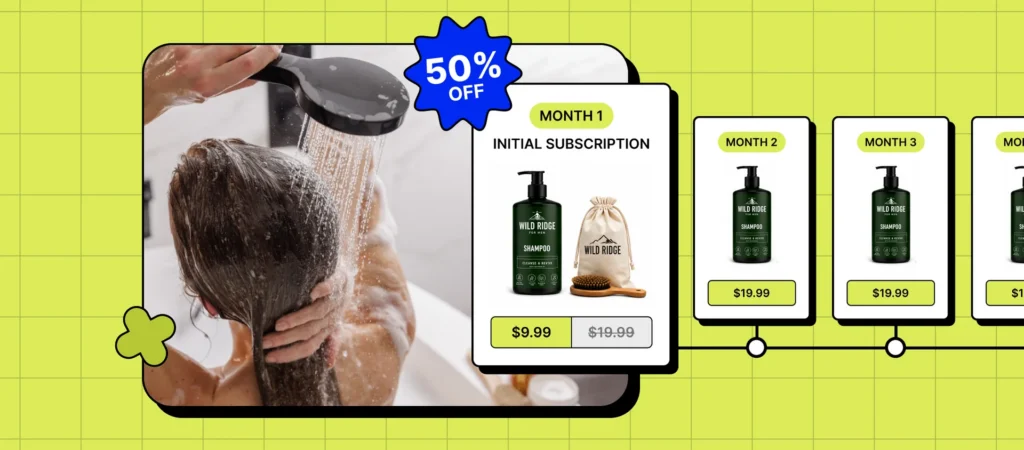
Most CPG subscription brands already discount the first order. Take a percentage off the first order, get the subscriber in the door, and spend the next thirty days educating your way to a successful rebill. We looked at where a first-order discount stops paying for itself, and the short version is that a modest welcome discount costs you very little, while the near-free end of the range is where first renewals start to slide.
A sample is a different animal.
A discount is temporary relief on a plan that still has a real price, so the subscriber anchors on the reduced amount and then meets the full one at the first rebill. What Plainspeak charges is the price of the sample itself rather than a markdown on the subscription, which changes the offer entirely.
And within the wonderful world of samples, there are two versions: the free sample, and the sample you charge a nominal fee for.
Free is obvious. Charging a nominal fee means a price that’s real but symbolic: say, up to a buck. It’s small enough that nobody picks the product because of the price, and large enough that a card has to be entered and charged, and that card stays on file.
Those two paths produce very different subscribers.
What happens after a free sample as a first order?
Subscriptions that start with a $0 first order reach a sixth order 8.7% of the time, less than half the 19.3% blended rate across the 132.9M Recharge subscriptions we looked at.
Why the sixth?
The choice is somewhat arbitrary, but by then the intro offer is long behind the subscriber and a habit has either formed or it hasn’t. The blended rate is that same sixth-order measure across every subscription on the platform in the period, all brands and all verticals mixed together, these buckets included.
The $0 group is not a mere curiosity. We’re talkin’ 17.6M subscriptions, which makes the free first order one of the most widely used acquisition mechanics in subscription commerce.
A free first order does exactly what it is designed to do at signup. The cost comes later.
Why does charging literally anything change the outcome?
Subscriptions with a first order priced between one cent and 99 cents reach a sixth order 32.8% of the time, 70% above the 19.3% blended rate.
The full spread sits in the table below.
| First-order plan price | Subscriptions | Order-2 rate | Order-6 rate | vs blended rate |
|---|---|---|---|---|
| $0.00 (free, gift, trial) | 17.6M | 25.6% | 8.7% | −10.6pp (−55%) |
| $0.01–$0.99 (nominally paid) | 183K | 63.6% | 32.8% | +13.5pp (+70%) |
| $1.00–$4.99 (low price) | 3.0M | 61.0% | 15.7% | −3.6pp (neutral) |
| Platform blended rate | 132.9M | 61.2% | 19.3% | n/a |
Free asks for nothing and confirms nothing. But a payment, however small, is a decision somebody made with a card in their hand (on their phone, whatever).
The $1–$4.99 band comes in at 15.7%, a few points below the blended rate and nowhere close to the nominally paid group. This is not a story about cheap versus expensive. It’s about free versus any payment at all.
Why free behaves like a different offer, not a cheaper one
Free is not a low price. It is a different category. And people treat it that way. Take a penny off the price of something and almost nobody changes their mind. Take the last penny off and behavior changes completely.
Drop any price to zero and something changes (it has nothing to do with math).
Pricing researchers have tested exactly this idea of zero as a special price: hold the gap between two options steady, move only one of them to zero, and the free option runs away with it.
Zero triggers a different response than cheap.
The penny doesn’t move people.
Free moves them, and free is what most brands settle on when they roll out a sample. It’s an offer nobody weighs, closer to trading your email address for a discount code than to making a real first purchase.
The small yes is what makes the next yes easier
Persuasion researchers call it the foot in the door effect, and it’s one of the most reliably repeated findings in the field.
Somebody who’s already said yes to a small ask is far more likely to say yes to a bigger one later.
The reason it works has nothing to do with the money. Doing the small thing changes how somebody sees themselves: they start to think of themselves as a person who buys this sort of thing.
A 99-cent order is the small yes, and the first rebill is the bigger one.
The 99 cents is ad spend, not revenue
Robert Cialdini’s work on consistency lands on the same point: a commitment sticks when somebody makes it actively and by choice. Entering a card and getting charged is about as active as a first order gets; a free box asks for nothing in return, so it builds no relationship.
The 99 cents isn’t really a pricing decision. It’s the difference between acquiring a customer and distributing a sample.
Price that commitment against what a customer costs you through paid social and influencers today.
How early does the gap show up?
The gap between free and nominally paid opens at the second order: 25.6% of $0 subscriptions reach order two, against 63.6% of nominal-paid subscriptions.
Those aren’t really retention numbers. They’re counts of people deciding whether to buy at all.
The second order, the first rebill, is the first time a sample taker receives your actual product and pays a real price for it. Reaching it is the moment somebody who took a sample agrees to become a customer. After a free first order, 25.6% of subscriptions get there. After a first order priced between one cent and 99 cents, 63.6% make it, slightly ahead of the 61.2% platform figure.
The free cohort doesn’t just underperform. It converts at well under half the rate. That second order’s where the acquisition math maths.
A subscriber who paid 99 cents for a sample and then paid full price on the first rebill is a customer you acquired for under a dollar, at a time when the cost of buying a customer through ads keeps climbing.
What this means for your intro offer
Judge an intro offer on how many of its subscribers come back and order again, not on how many signups it collects.
A free first order buys volume at the cost of retention. If the job of the offer is to lower friction, a nominal price does that well enough without trading future subscribers for a legion of tire kickers.
If you’re standing up your first subscription program, this is a cheap decision to get right at the start.
One thing this data cannot do is separate the price from the brand that set it. Choosing a sub-$1 first order is a deliberate configuration, so these cohorts differ by more than the number on the plan. Read it as a strong pattern, not as proof that the 99 cents caused the result.
A play worth stealing
Test an intro offer with a nominal fee. Put it in front of churned subscribers or another cohort that’s not paying you today, then compare what a subscriber costs you there against what one costs through ads or influencers.
About this report
These figures come from 132.9M Recharge subscriptions whose first subscription order fell between January 2023 and December 2024, each tracked toward a sixth order wherever the window allowed. Every vertical and every geography is in there, aggregated at cohort level, with no individual brand’s numbers appearing or inferable. For the wider view of how subscription programs are performing across the platform, see our Subscription Trend Report.
We grouped subscriptions by the plan price in effect on the first order, and counted a subscription as reaching order six when it generated a sixth paid order inside that window. The analysis was run on August 4, 2026.
A small caveat. Brands that set sub-$1 pricing are making a deliberate product decision, so these cohorts differ by more than the price on the plan, and what we have is a strong association rather than proof of cause.
Frequently asked questions
A free trial hands over access or product at no cost for a limited window. A paid trial charges a small amount for the same thing. In Recharge’s platform data the difference is not cosmetic: subscriptions starting at $0 reach a sixth order 8.7% of the time, and those starting between one cent and 99 cents reach it 32.8% of the time.
This analysis measures the price of the first order rather than the length of a trial, so it cannot answer that one. What it does show is that the price of the first order moves the outcome more than most operators expect, and that the second-order rate tells you which way it went inside a single billing cycle.
Categories
Related articles
Explore additional content that complements what you’ve just read.
Inside ChargeX East: How the best brands are driving retention in the agentic era
2026 Black Friday marketing strategy for subscription brands
The quarterly upgrade: subscription retention’s most underused lever
The first-order discount sweet spot for CPG subscription brands is deeper than you think
There’s a fresh wave of pet-food M&A, and the subscription data shows what’s actually worth the premium