
Menopause: the unsexy subscription category that outlasts fertility
Published July 2026
Published Jul 2026
Updated August 2026
Updated Aug 2026
4 min read
AI Summary
Menopause is under-served on Recharge yet renews better than fertility. Based on data from 20,000+ subscription brands.
Walk the wellness aisle and you can see where subscription brands have placed their bets: fertility, prenatal, postpartum, gut health, glow. The categories with a launch moment and a bit of shine. Menopause has mostly sat out that spotlight. It’s an under-penetrated vertical, a nascent segment that hasn’t had its mainstream moment, even though half the population will live through it. That’s a strange gap for a need that universal.
The gap may be closing. Naomi Watts’ menopause brand just jumped from 4 Ulta stores to 448, as Glossy reported, and PwC now sizes menopause a $10 to 15 billion market growing 8 to 10% a year. A mass retailer committing 448 stores, not a pilot, signals the category has crossed into mainstream economics.
So for anyone selling women’s-health subscriptions, the real question is which life stage earns a subscription line. Fertility and prenatal have drawn the most investment. But investment and staying power aren’t the same thing, and our platform data shows the gap.
Across the trailing year, menopause subscriptions renewed at the highest rate of any women’s-health life stage on Recharge: a 72.2% process rate, ahead of fertility and prenatal at 67.7%, even though brands have built fertility to roughly twice menopause’s subscriber footprint. The category with the least investment holds its subscribers the best.
| Women’s-health life stage (trailing 12 months) | Renewal process rate | Active churn |
|---|---|---|
| Menopause | 72.2% (highest) | 16.8% |
| Fertility / prenatal | 67.7% | 16.4% |
| Postpartum / nursing | 68.2% | 18.5% |
| Menstrual / hormonal | 68.5% | 19.1% |
| All other H&W and beauty | 70.5% | 18.4% |
Why the category no one hypes is great for subscriber retention
Menopause retains because of the shape of the need. It’s an ongoing, years-long stage, so a subscription has room to build tenure. Fertility and prenatal are different: they’re time-boxed by design. A prenatal customer becomes a postpartum customer within a year and often lapses soon after, which caps how long the subscription runs.
There’s an emotional gap too, and it cuts against menopause commercially even as it helps retention. Fertility and pregnancy are hopeful, anticipated stages, often about caring for someone other than yourself, so they pull in brands and buyers alike. Menopause gets treated as something to manage, not celebrate, which is part of why it stays under-invested. But a need people quietly stay on for years is exactly the profile of a subscription that lasts.
Should you launch a menopause line?
Are we telling you to drop everything and start a menopause line? Maybe. If you already serve women’s health, it’s the clearest under-served need with durable retention on the platform right now. But the bigger lesson is a habit: judge a subscription line by how long customers stay, not by how much noise the category is making. Our subscription analytics lets you run that cut on your own catalog, life stage by life stage. And whatever you build, staying power only pays off if you hold the subscribers, so pair it with retention tooling that catches people before they cancel.
What to do with this
Audit your women’s-health lineup by life stage and lean toward the needs customers stay with for years over the ones with a built-in end date. On Recharge, menopause is the standout: under-served and over-performing on retention.
The size of the opening is the other half of the story. Every woman goes through menopause, and the stage can run a decade or more, so the addressable base is enormous and largely unclaimed. The brands that move now get to define the category before it fills up.
Education is the lever that gets them there. Menopause still carries stigma and confusion, so the brand that explains the stage clearly, what’s happening, what helps, and what to expect, earns trust before the shelf gets crowded. In a category with little mainstream hype, showing up with answers is how you get discovered, and part of why subscribers stay.
tl;dr: Menopause is one of the least-built women’s-health categories on Recharge and one of the best at keeping subscribers, because it’s a need women stay on for years instead of aging out of. Fertility gets the investment and the excitement; menopause gets the retention. If you sell women’s health, that’s a head start hiding in plain sight.
About this report
This looks at women’s-health subscriptions across Recharge over the trailing 12 months (July 2025 to June 2026), spanning health and wellness and beauty brands. Life stages are grouped by the product keywords brands use, and all numbers are aggregate at the category level.
Categories

Related articles
Explore additional content that complements what you’ve just read.
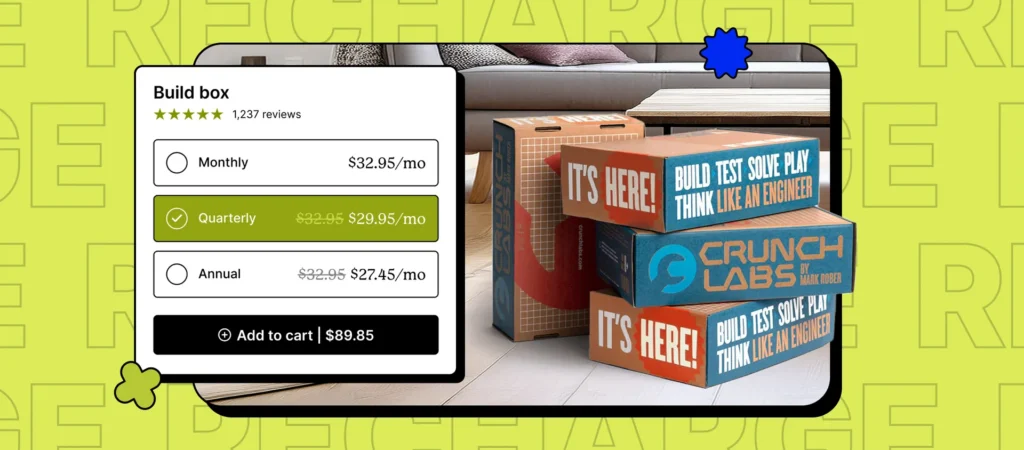
The quarterly upgrade: subscription retention’s most underused lever

CPG product sampling: why a $0.99 intro offer retains subscribers nearly 4× better than a free one
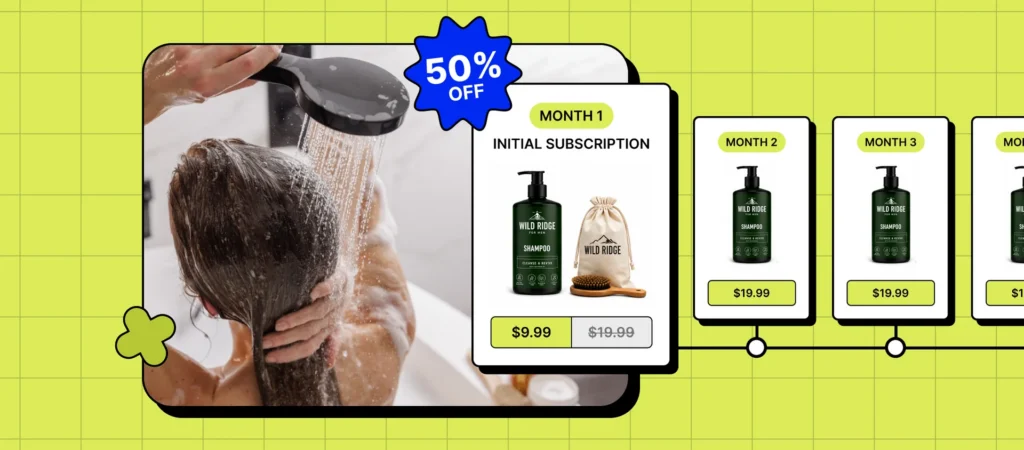
The first-order discount sweet spot for CPG subscription brands is deeper than you think

There’s a fresh wave of pet-food M&A, and the subscription data shows what’s actually worth the premium
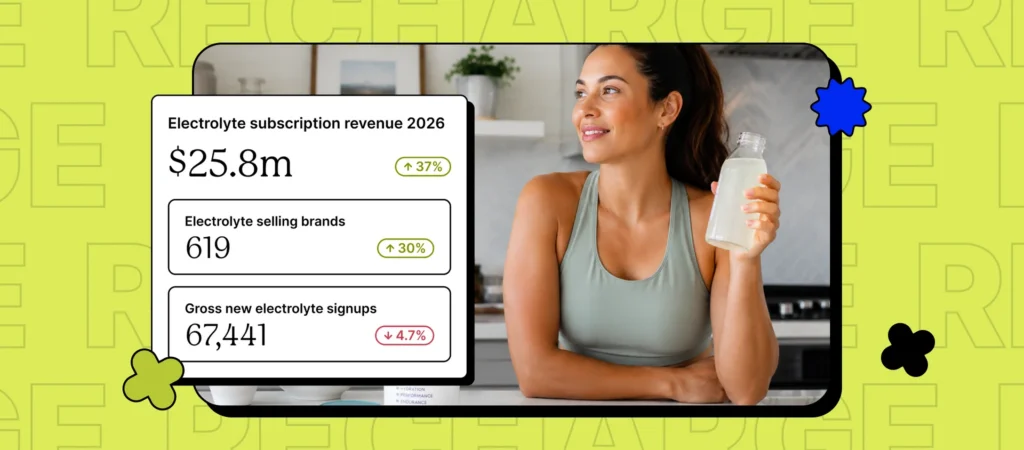
Electrolyte brands are multiplying faster than their subscribers